
Caring for Your Righteous Clothing: A Thorough Guide
Wash after wash, what happens after checkout determines whether a garment turns into a wardrobe staple or something you stop reaching for—buying it is just the beginning. This walkthrough covers practical, no-nonsense care advice for anyone who owns or is considering pieces from We Are Righteous, a brand that has built its name on heavyweight cotton, considered construction, and streetwear silhouettes designed to remain relevant long after trends fade. If you’ve read a righteous review or two before buying, you already know the fabric quality gets singled out often. This article picks up where those reviews leave off and focuses on the maintenance side: how to wash, dry, store, and repair your pieces so they stay looking as good as new.
Why Aftercare Deserves More Attention Than Most Give It
It’s not bad manufacturing that ruins most clothing; it’s neglectful aftercare. Excess heat, rough handling, and abrasive detergents drive the bulk of premature colour loss, shrinkage, and material degradation seen in day-to-day clothing collections. A 2025 industry survey on garment longevity found that over 60% of reported quality complaints traced back to improper wash-water heat rather than factory-side errors. That statistic matters here because Righteous clothing, particularly the heavyweight hoodies and righteous t shirt fleece pieces, is built from dense cotton blends engineered to retain their form and hue over time, but only if handled the right way.
Here’s a useful comparison: a 400gsm cotton hoodie behaves very differently in the wash than a lightweight 180gsm tee. Heavier fabric holds more water, dries more slowly, and demands greater caution around heat. Ignoring this nuance is often exactly why people feel disappointed by pieces that were, in fact, made to a high standard. With this label’s pieces, care is no afterthought — it’s part of what you’re paying for.
Washing Your Righteous Hoodie the Right Way
The righteous hoodie has become something of a signature piece for the brand, and it deserves specific attention. Before washing, turn the garment inside out. This single step protects any printed or embroidered branding from friction damage against zippers, buttons, or other garments in the load. Wash in cold water, ideally between 30°C and 40°C, using a mild detergent free of optical brighteners, which can dull dark colourways over time.
Avoid overloading the machine. An overpacked drum leads to poorer water flow, extra creasing, and patchy detergent spread — all of which speed up wear on heavyweight fleece.
Do without fabric softener completely. It coats cotton fibres with a waxy residue that cuts down breathability and can make printed graphics flake faster. If you want a softer hand-feel, a wool dryer ball or an extra rinse cycle achieves this without the need for chemicals. Wash dark and light pieces separately for at least the first four-to-five washes, since that’s generally when the minor residual dye release occurs. Beyond that point, colour transfer risk decreases considerably.
The Drying Stage: The Step Most People Get Wrong
The tumble dryer is the chief threat of keeping its shape in heavyweight cotton garments. Elevated heat leads to uneven fibre contraction, which is why hoodies so often end up visibly smaller in the body and sleeves after just a handful of cycles. For anyone with multiple Righteous apparel garments, air drying ought to be the standard practice, not merely a backup.
Place garments flat on a drying rack or a clean towel rather than hanging them by the shoulders. Suspending heavy, damp cotton pulls at the shoulder seams and can leave lasting distortion in the neckline over time. Adjust the garment’s form while it remains moist, smoothing out the cuffs, hem, and hood so it dries in its original form. In humid climates, a fan pointed at the flat-lying garment accelerates the drying process without risking heat damage. Anticipate a full drying cycle of anywhere between 12 and 24 hours for heavyweight fleece, based on ambient humidity and airflow.
How to Store Pieces So Structure and Colour Last
Folding versus hanging is a genuine debate, and for heavy streetwear pieces, folding tends to come out ahead. Hanging garments keeps steady strain on the shoulder seams, which across several months can lead to irreversible stretching or clear hanger indentations, particularly in fleece-backed fabrics. Fold hoodies and sweatshirts along their natural seam lines and stack them no more than five-to-six high to avoid crushing the bottom layers.
Make sure stored pieces avoid direct sun exposure. Sun exposure ranks among the quickest ways to fade both dyed fabric and printed graphics, and a windowsill or sun-facing shelf can visibly dull a black hoodie within several months. A breathable cotton storage bag is favoured over sealed plastic, which locks in dampness and can lead to damp, mildewy smells even in pieces that were fully dry when stored. Cycle your wardrobe through the seasons rather than wearing the same three items on repeat year-round; this practice alone can extend a garment’s usable life by a year or more.
Managing Everyday Damage and Stains
With stains, fast action is critical. Press gently instead of rubbing, and address inside the first 30 minutes when you can, since oil-based stains in particular set permanently into cotton fibres after they dry. Cold water and a small amount of dish soap take care of the majority of everyday marks — food, grease, dirt — without resorting to harsh stain removers that can fade colour in blotches.
For pilling, which is frequent on any heavyweight cotton-poly blend after repeated wear, a fabric shaver used gently on a low setting restores the surface without thinning the material. Loose threads should be snipped, never pulled, since a pull could loosen a seam that would have remained intact. When a hoodie wears through at a stress point like the cuff or pocket seam, a simple whip stitch in matching thread can typically stop it spreading before it becomes a bigger repair job.
How Righteous Clothing Compares on Care Requirements
Care needs vary considerably across streetwear. The table below compares typical care requirements across three common garment weights, showing where Righteous clothing sits in terms of upkeep required against durability gained.
| Type of Garment | Suggested Wash Temperature | Drying Method | Typical Lifespan With Proper Care |
|---|---|---|---|
| Lightweight cotton t-shirt (180gsm) | 30°C | Tumble dry low or air dry | 1–2 years |
| Righteous heavyweight hoodie (400gsm+) | 30–40°C | Lay flat to air dry, nothing else | 3 to 5 years |
| Standard fleece crewneck (280gsm) | 40°C | Dry on a low tumble setting | Between 2 and 3 years |
The extra care required for heavyweight pieces isn’t a downside; it’s a direct trade-off for the extended wear life. A well-maintained Righteous hoodie can realistically outlast two or three lighter-weight garments bought over the same period, which changes the cost-per-wear calculation significantly in the buyer’s favour.
What the Reviews Reveal About Durability
Search around and you’ll find a good number of discussion threads and a increasing amount of dedicated write-ups under terms like we are righteous review or righteous review, and a pattern shows up right away. Buyers repeatedly bring up the weight of the fabric and how the garments hold their shape after multiple washes, even when care has been imperfect. That’s a meaningful signal. A brand that performs well even under flawed real-world laundering conditions is one built with genuine quality control, not just marketing language.
What sets a we are righteous review apart from generic streetwear commentary is the specificity: people talk about stitching density, hood weight, and how the fabric feels after the tenth wash rather than the first. That amount of nuance suggests a customer base that’s actually putting to the test the product over time, not just judging it straight out of the packaging. It further points to the fact that the we are righteous brand has built authentic, lasting trust rather than one-off hype purchases.
Drawing It All Into Focus
Maintaining apparel the right way doesn’t require much skill, though it needs a bit of mindfulness. Roughly 90% of what it takes to keep any garment looking sharp for years rather than months comes down to washing in cool water, air drying, smart storage habits, and acting fast on stains. For heavier pieces specifically, that small extra effort brings a considerable reward: less need to repurchase, less fading, and a garment that continues to look and fit the way it did when you unboxed it.
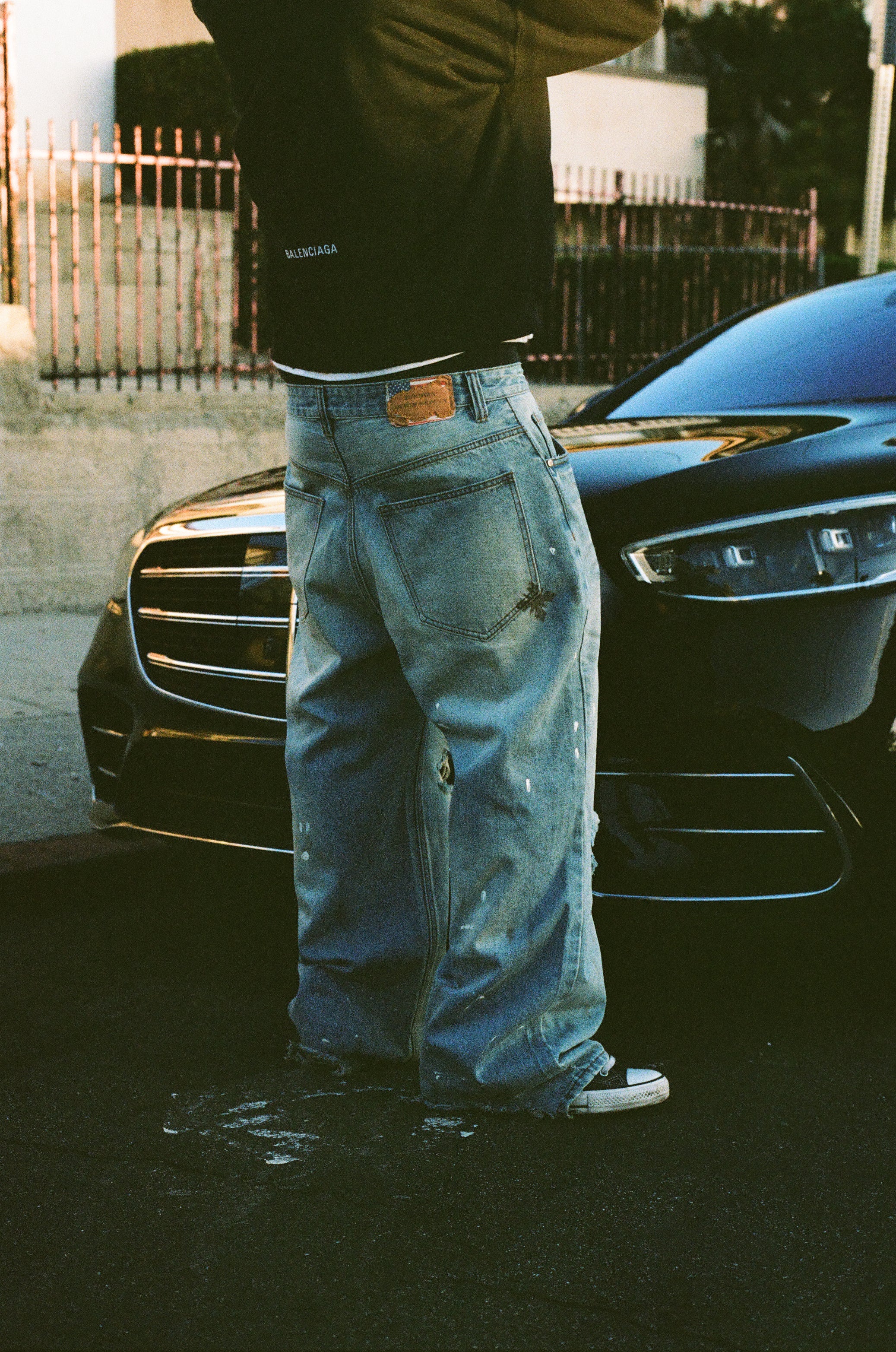
Well-made fabric is worth proper care, and since the we are righteous brand keeps growing its range heading into 2026, these care principles will matter just as much for future drops as current pieces. Handle your Righteous garments the way it was designed to be treated, and it will keep pace with you for the long term, not just a season.
